In Patanjali’s Yoga Sutras (2.30), Aparigraha is the fifth and final Yama, following Ahimsa, Satya, Asteya, and Brahmacharya.The Sanskrit word Aparigraha means “non-grasping,” “non-possessiveness,” or “non-attachment.” At its heart, it invites us to live lightly — to release the constant …
In Patanjali’s Yoga Sutras (2.30), Brahmacharya is the fourth Yama, following Ahimsa (non-violence), Satya (truthfulness), and Asteya (non-stealing).Traditionally translated as “celibacy,” the deeper essence of Brahmacharya is moderation, right use of energy, and living in remembrance of the sacred. The …
In Patanjali’s Yoga Sutras (2.30), Asteya is named as the third Yama — the ethical principles that form the foundation of yogic living.The word Asteya comes from Sanskrit: a (non) + steya (stealing). On the surface, it means refraining from …
What is Satya? “When one is established in truth, actions and their results become subservient to him.” — Yoga Sutra 2.36 💬 3. Satya in Daily Life Include examples like: Saying “no” when you mean no, choosing words that reflect …
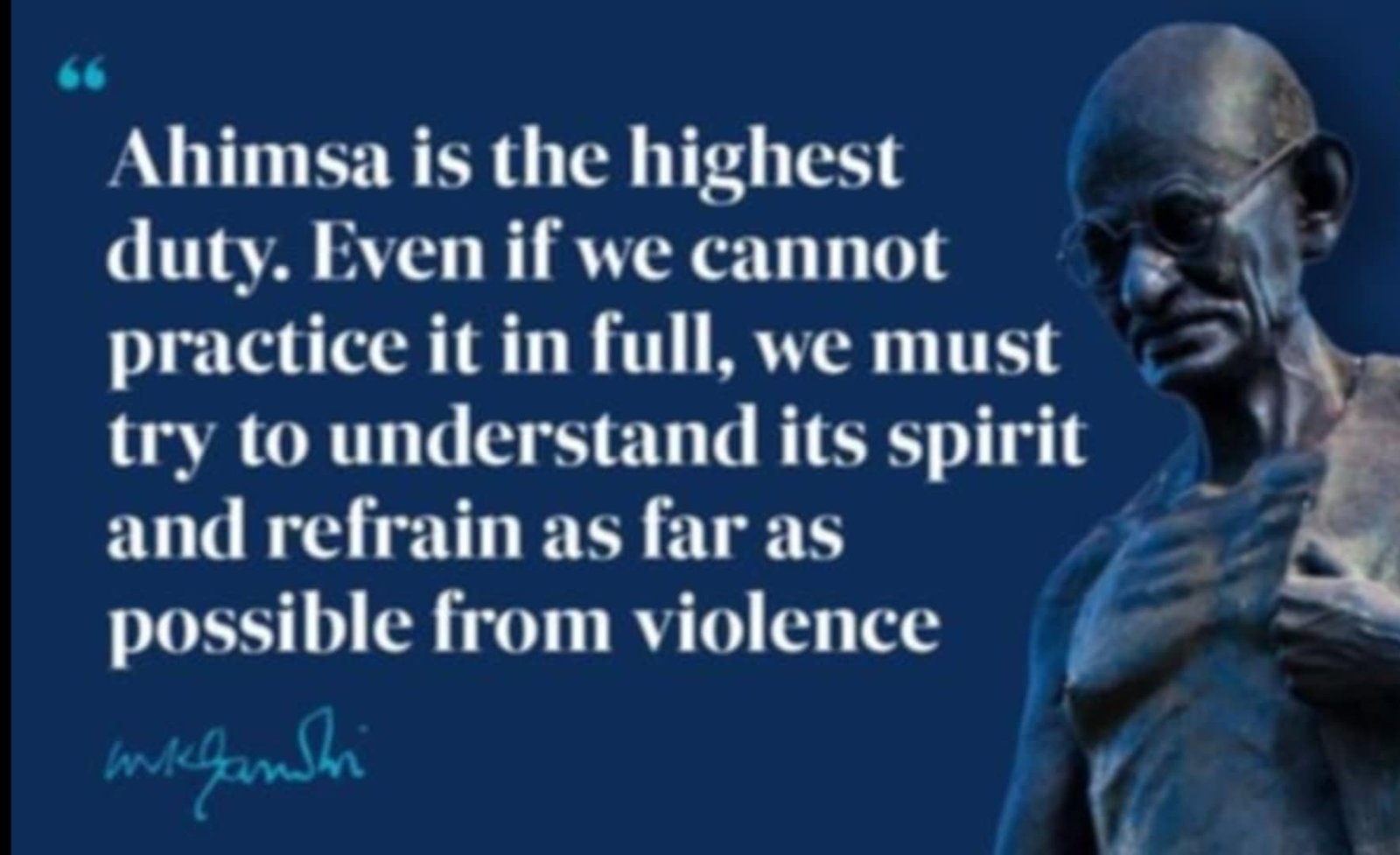
In the ancient traditions of Yoga and Ayurveda, Ahimsa — the principle of non-violence — is considered the foundation of all spiritual and physical well-being. It is not only the act of avoiding harm, but the conscious choice to live …
Yoga isn’t just about bending and stretching—it’s a complete path for living a balanced, peaceful, and meaningful life. The great sage Patanjali described this path in his famous work, the Yoga Sutras, as Ashtanga Yoga, which means “Eight Limbs of …
Meditation is often mistaken for a task, a technique, or a practice to be completed. But meditation is not something you do. It is not an act you perform or an exercise to be achieved. Meditation is a quality—a fragrance …
In Ayurveda, health means balance — especially the balance of the three doshas: Vata, Pitta, and Kapha. When these energies go out of balance (Vikruti), they affect not only the body, but also the mind and emotions. This is where …
In Ayurveda, each person is born with a unique constitution called Prakruti. This is your natural balance of the three doshas — Vata, Pitta, and Kapha — and it doesn’t change throughout your life. Prakruti is like your body’s blueprint. …
Pranayama is a key practice in both Yoga and Ayurveda, and it plays a central role in the spiritual, physical, and mental well-being of a practitioner. Derived from two Sanskrit words, prana (meaning “life force” or “vital energy”) and ayama …