In the Yoga Sūtras of Patañjali, yoga is described as having eight limbs (Ashtanga Yoga). The first two — Yamas and Niyamas — form the foundation of this path. Think of them as yoga’s moral and ethical guidelines: They aren’t …
Your blog category
In the Yoga Sūtras of Patañjali, yoga is described as having eight limbs (Ashtanga Yoga). The first two — Yamas and Niyamas — form the foundation of this path. Think of them as yoga’s moral and ethical guidelines: They aren’t …

When most people think of yoga, they picture graceful postures, deep breaths, and quiet meditation. Yet long before the poses, yoga was described as a complete way of living — a path of harmony between body, mind, and spirit. In …

There is a moment in every path of transformation when effort softens into trust —when doing becomes being,and striving melts into surrender. 🌿 That moment is the heart of Īśvara Praṇidhāna, the fifth Niyama described by the sage Patañjali.It invites …

There comes a time on every spiritual path when we stop looking outward for answers and begin to turn gently inward. 🌿That turning — quiet, honest, and luminous — is the essence of Svādhyāya, the fourth Niyama in Patañjali’s Yoga …

In Sanskrit, Tapas means “heat,” “austerity,” or “discipline.”It comes from the root tap, which means “to burn.” But in yoga, this fire isn’t about punishment or rigidity — it’s the inner flame that purifies, strengthens, and awakens. 🔥 When we …

In the ever-changing flow of life, Santosha invites us to pause, breathe, and whisper softly to ourselves: “I have enough. I am enough.” 🌿 In Patañjali’s Yoga Sūtras, Santosha — contentment — is the second of the five Niyamas, the …

In yoga philosophy, Śaucha (pronounced shau-cha) means cleanliness or purity — and it’s much more than just washing your hands or keeping your yoga mat clean. It’s about creating clarity in every layer of your being: body, mind, emotions, and …
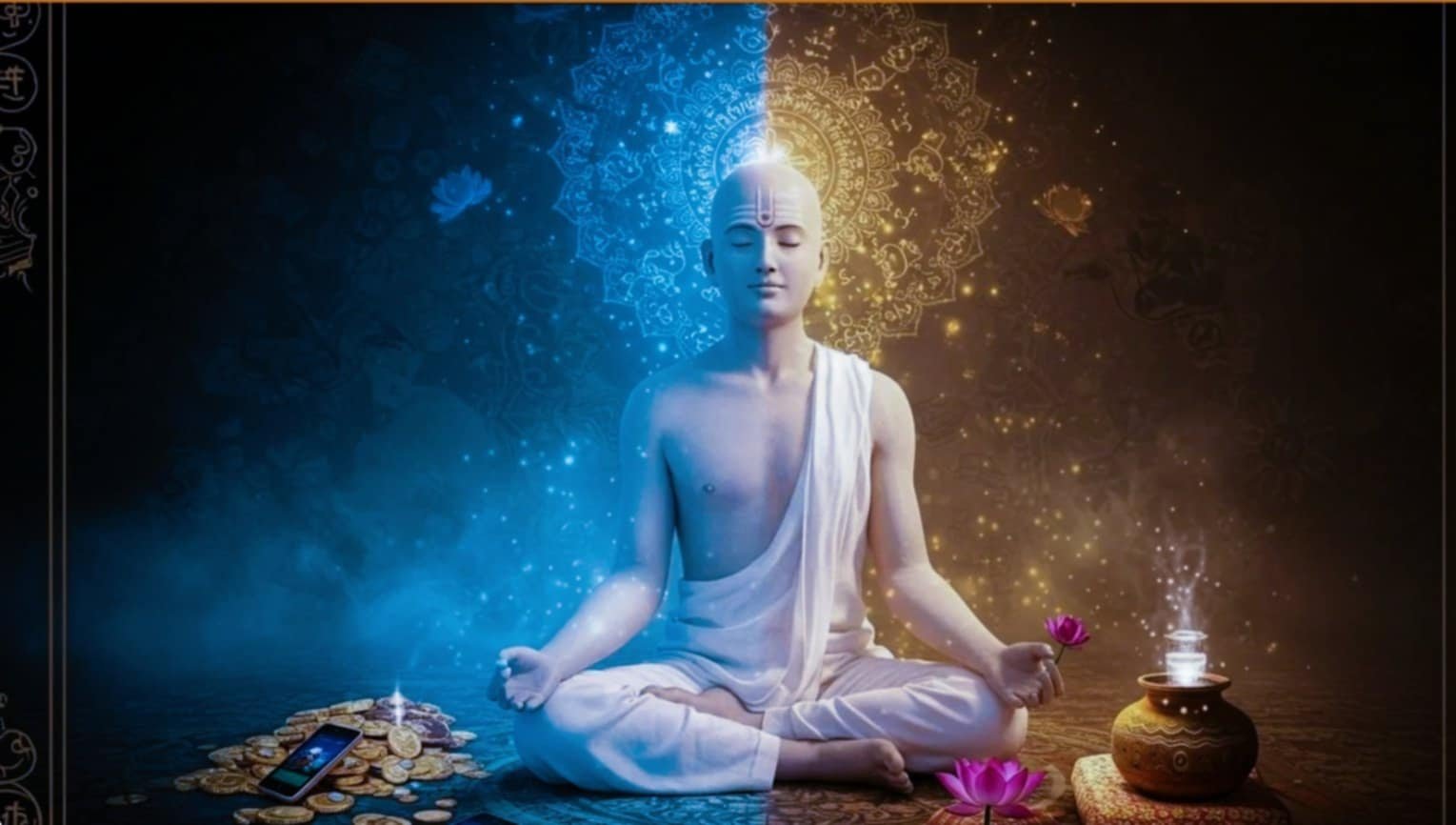
In Patanjali’s Yoga Sutras (2.30), Aparigraha is the fifth and final Yama, following Ahimsa, Satya, Asteya, and Brahmacharya.The Sanskrit word Aparigraha means “non-grasping,” “non-possessiveness,” or “non-attachment.” At its heart, it invites us to live lightly — to release the constant …
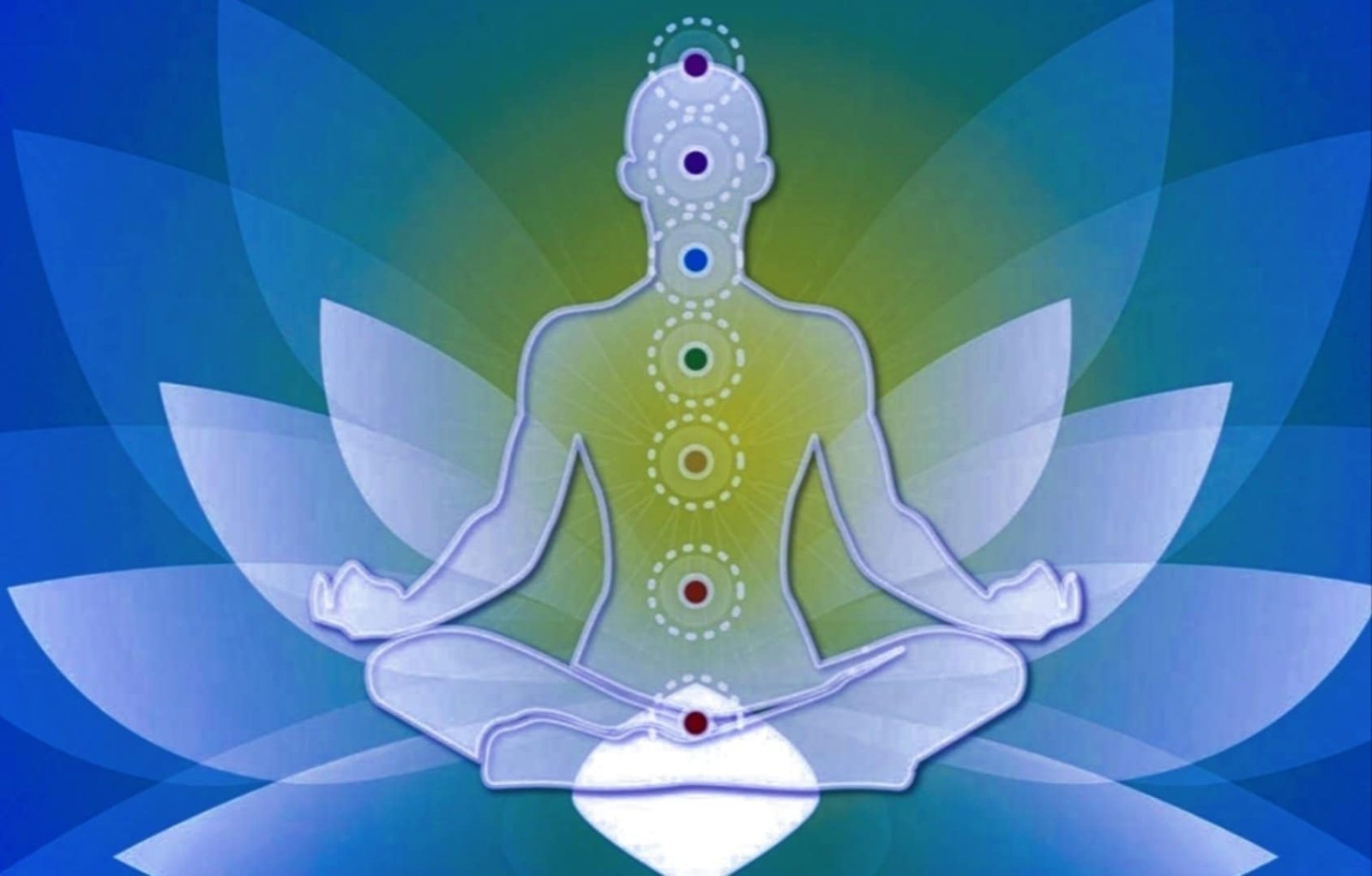
In Patanjali’s Yoga Sutras (2.30), Brahmacharya is the fourth Yama, following Ahimsa (non-violence), Satya (truthfulness), and Asteya (non-stealing).Traditionally translated as “celibacy,” the deeper essence of Brahmacharya is moderation, right use of energy, and living in remembrance of the sacred. The …
In Patanjali’s Yoga Sutras (2.30), Asteya is named as the third Yama — the ethical principles that form the foundation of yogic living.The word Asteya comes from Sanskrit: a (non) + steya (stealing). On the surface, it means refraining from …
Not a member yet? Register now
Are you a member? Login now